Tell us about the job
Takes about a minute. No obligation.
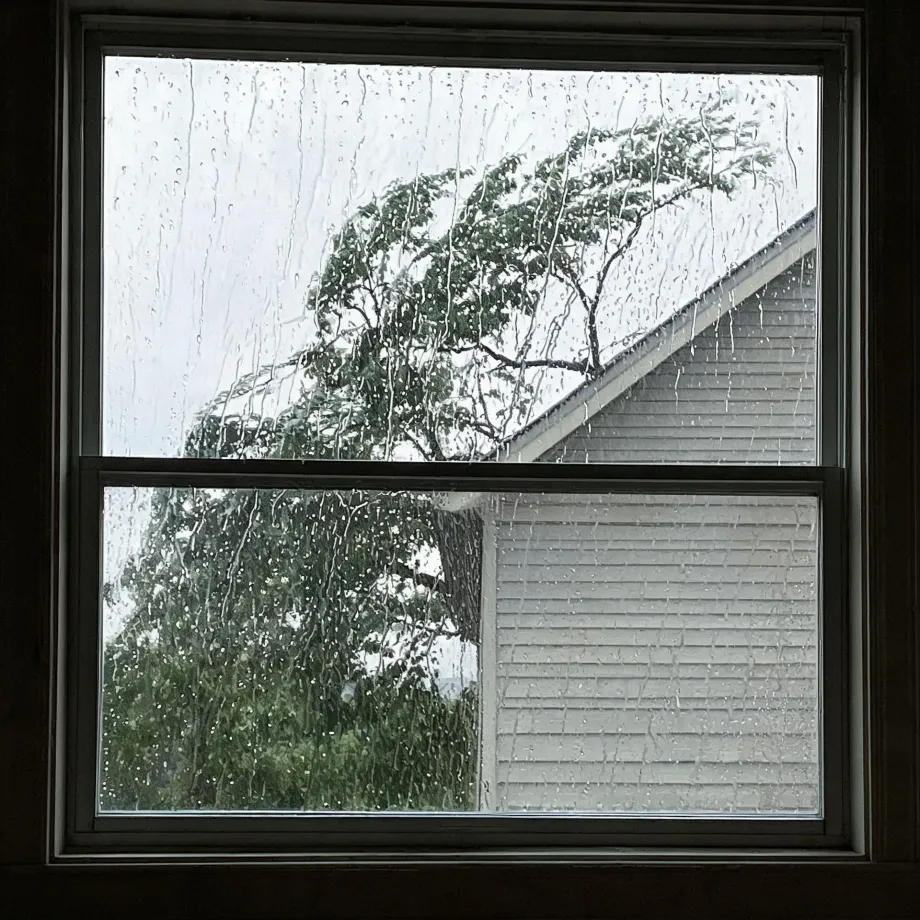
A boiler in Carteret County has not been sitting in mild, uneventful conditions. 129 severe weather events were recorded in Carteret County, North Carolina between 2015 and 2024. At that rate, severe weather is a standing feature of operating here, not an occasional interruption, and a contractor tracing a failed heat exchanger, corroded valve, or worn pump has to weigh that load as a real factor before settling on a cause. Age and maintenance history still matter. But dismissing the area's weather record when diagnosing a repair would mean ignoring part of what put the system in this condition.
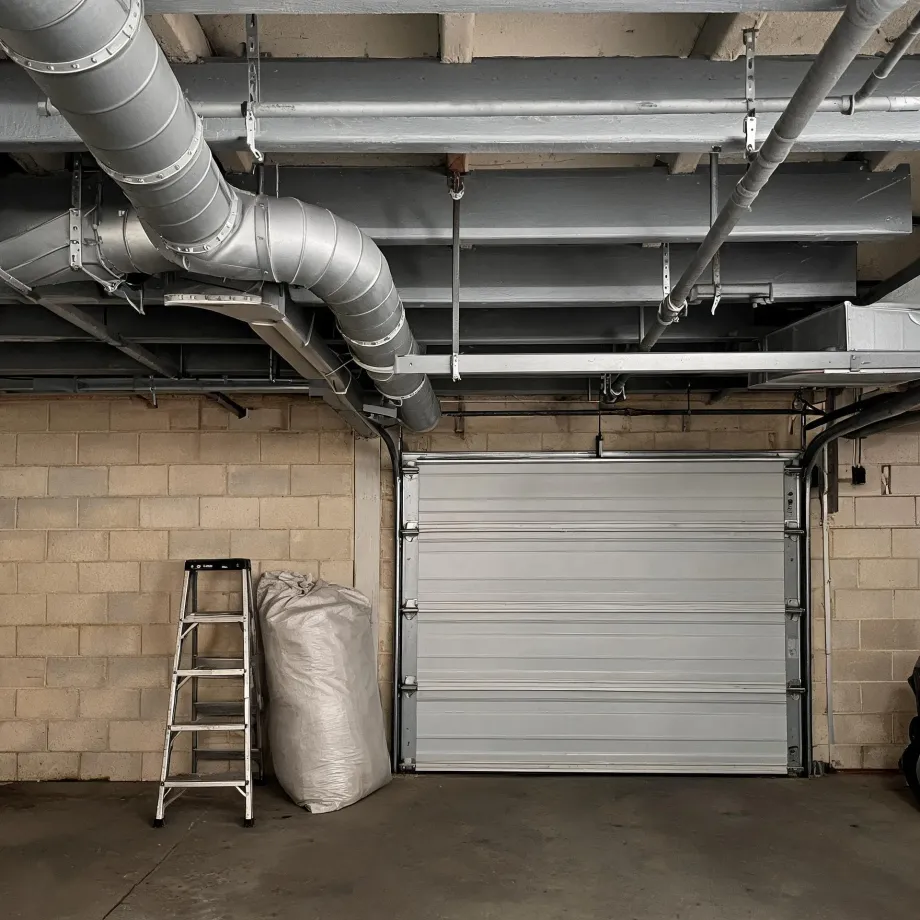
Boilers in a housing stock this old have been asked to work through a long run of coastal winters, and what a contractor finds when the unit is opened reflects that accumulation directly. Half the homes in Carteret County, North Carolina were built in 1989 or earlier (2020-2024 ACS 5-year). Seals harden, heat exchangers develop fatigue cracks, and expansion vessels lose their charge over years of pressure cycling. A repair call here regularly turns into a parts search, because components sized for older equipment are not always in local supply and have to be sourced before the job can close.
The Parts of a Boiler a Contractor Checks First
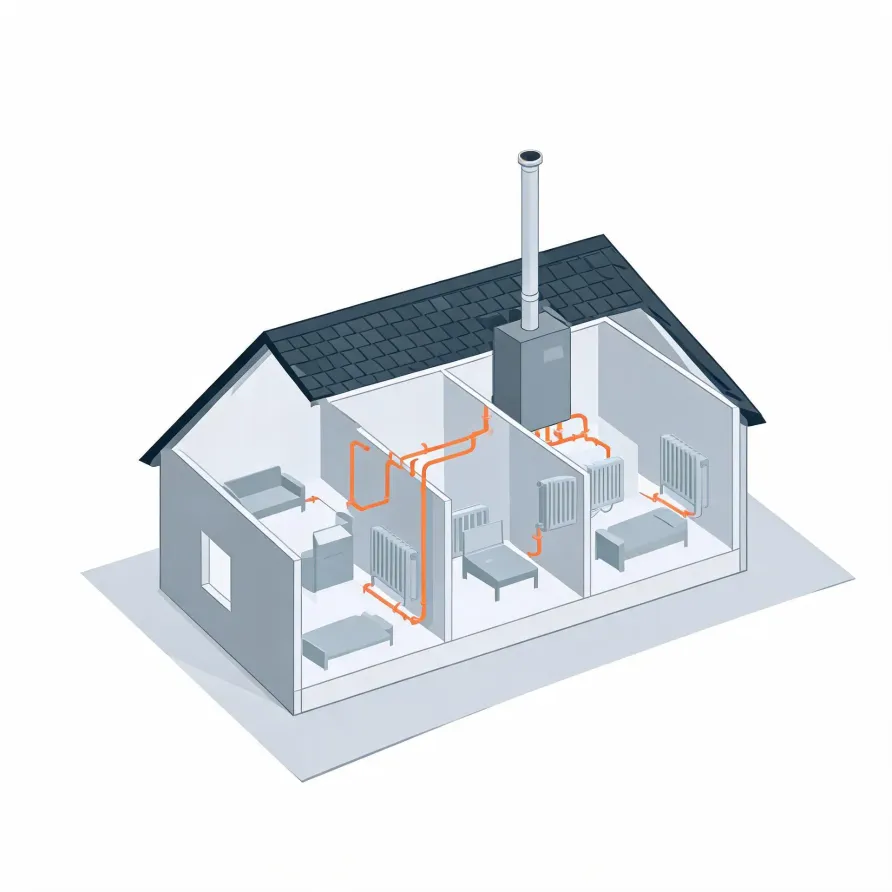
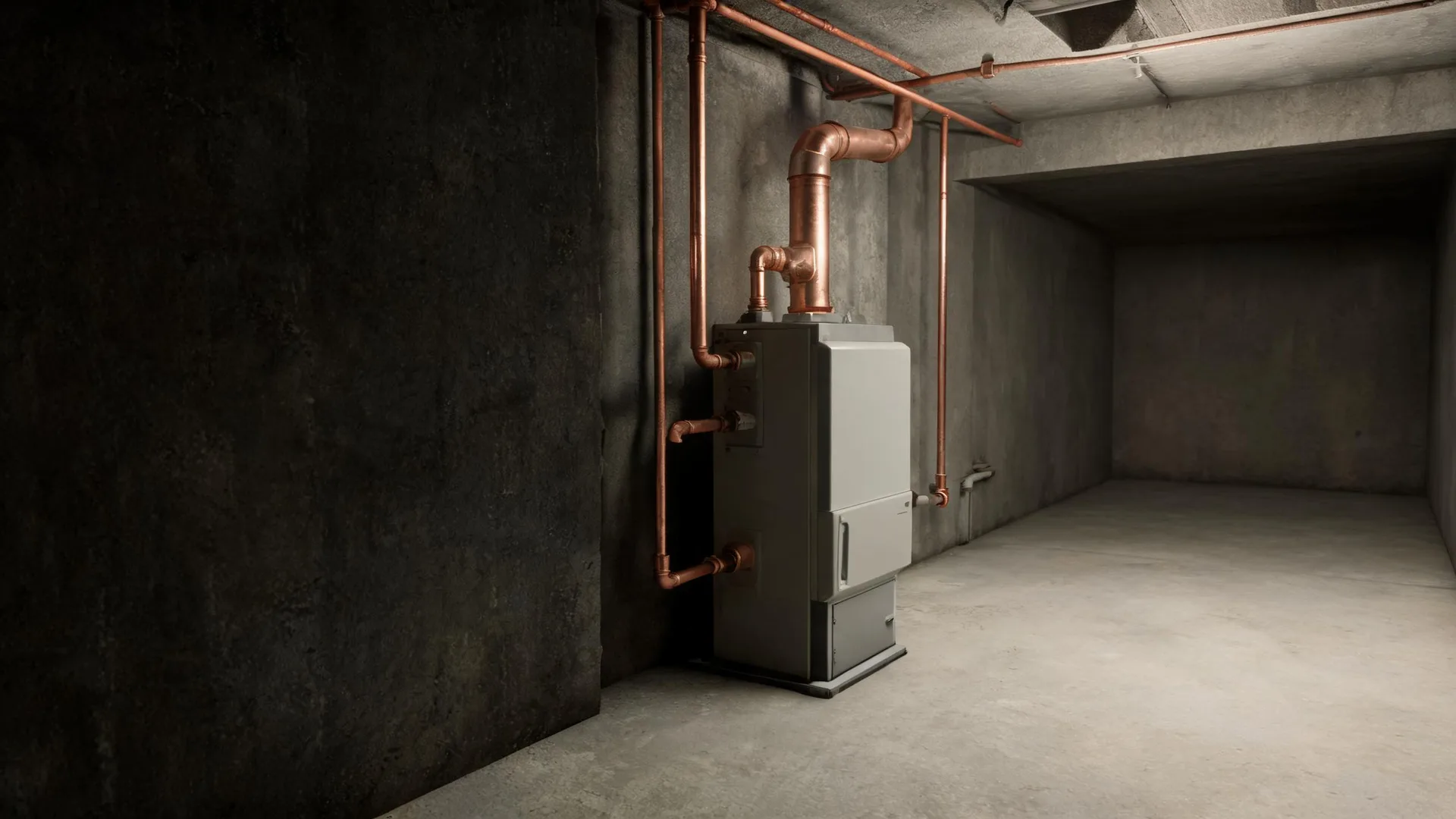
The boiler itself sits in a mechanical room, basement, or utility closet and is the unit that heats water and pushes it out to the rest of the house. When it fails, the contractor looks at the burner, the heat exchanger, and the controls first, since those are where most faults show up. A failed burner means no heat; a cracked heat exchanger is a safety issue a contractor will flag immediately.
From the boiler, pipes carry hot water to radiators or radiant panels positioned throughout the house, and a circulator pump keeps that water moving through the loop. The expansion tank, pressure relief valve, and aquastat all sit close to the boiler and keep the system running within safe limits. When one of those components is off, the whole loop can lose pressure or cycle incorrectly.
The drawing shows a general layout of these components, and a licensed contractor will assess exactly which parts apply to your specific system and home.
Find a contractor in Carteret CountyCarteret County, by the numbers
129 severe weather events were recorded in Carteret County, North Carolina between 2015 and 2024.
NOAA National Centers for Environmental Information, Storm Events Database, bulk CSV export, events 2015-01-01 through 2024-12-31.Half the homes in Carteret County, North Carolina were built in 1989 or earlier (2020-2024 ACS 5-year).
U.S. Census Bureau, 2020-2024 American Community Survey 5-Year EstimatesCarteret County, North Carolina holds 52,181 housing units (2020-2024 ACS 5-year).
U.S. Census Bureau, 2020-2024 American Community Survey 5-Year EstimatesOwners occupy 74.7% of the occupied homes in Carteret County, North Carolina (2020-2024 ACS 5-year).
U.S. Census Bureau, 2020-2024 American Community Survey 5-Year EstimatesBoiler Repair Rules and Codes for Carteret County, North Carolina2 sourced rules and standards
Licensing Rules for HVAC Repair in Carteret County, North Carolina
North Carolina issues Class I heating licenses covering all systems in all structures, and Class II licenses covering heating systems in single-family detached residential dwellings.
North Carolina requires a license before any person or firm may engage in, or offer to engage in, the business of heating contracting.
Severe Weather Events in Carteret County
Carteret County's weather puts real stress on heating equipment over time. Boiler repairs here are shaped by local conditions, and the record below shows what that load looks like year by year.
129 severe weather events, 2015–2024. Source: NOAA National Centers for Environmental Information, Storm Events Database.