Tell us about the job
Takes about a minute. No obligation.
A contractor called out to repair a boiler in Richmond County has to settle one question before anything else: what actually wore this system down. 69 severe weather events were recorded in Richmond County, North Carolina between 2015 and 2024. At that rate, severe weather is an occasional fact of life here, not a standing pressure on equipment. A boiler that cracks a heat exchanger or loses pressure in this area did so because of corrosion, long-deferred service, or a component that simply ran out of life. Those are the things a contractor checks first, and they are what the repair bill reflects.
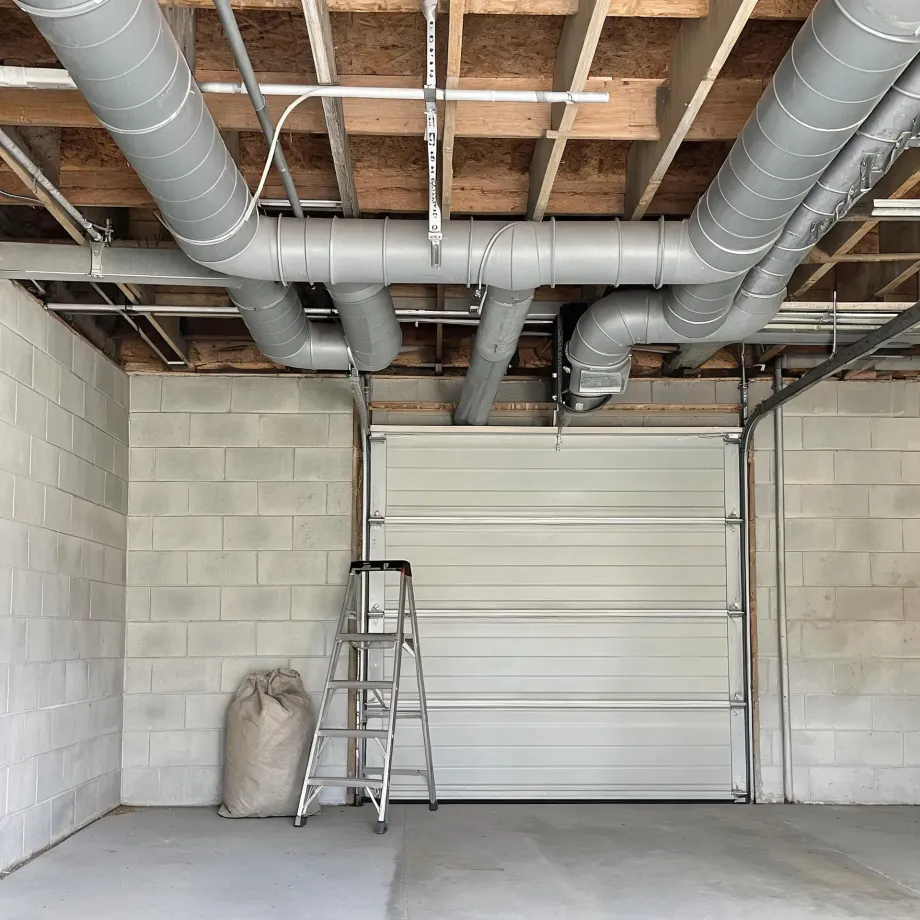
Half the homes in Richmond County, North Carolina were built in 1976 or earlier (2020-2024 ACS 5-year). A boiler sitting in a house that age has almost certainly been touched more than once, and each previous repair leaves its own fingerprint on the system. What a contractor finds when the unit is opened may include mixing valves, zone controls, or expansion tanks that predate the current boiler entirely. Replacement parts for configurations like those are not always in current production, and a contractor has to confirm what is physically present before any repair scope is set.
The Parts of a Boiler a Contractor Checks First
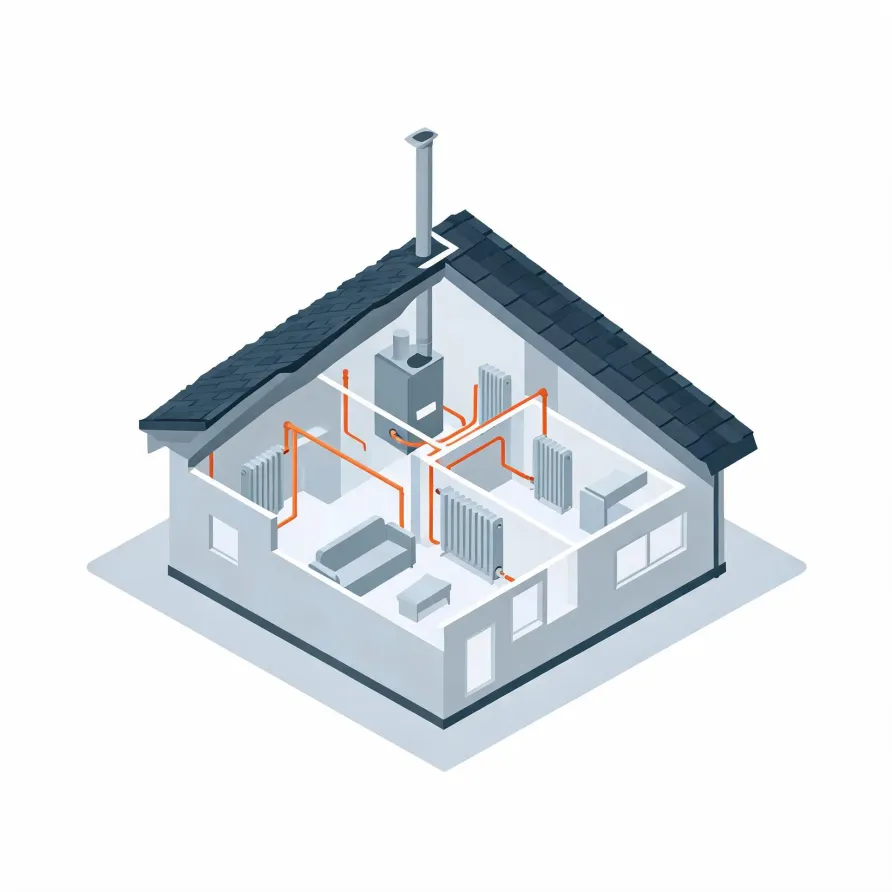
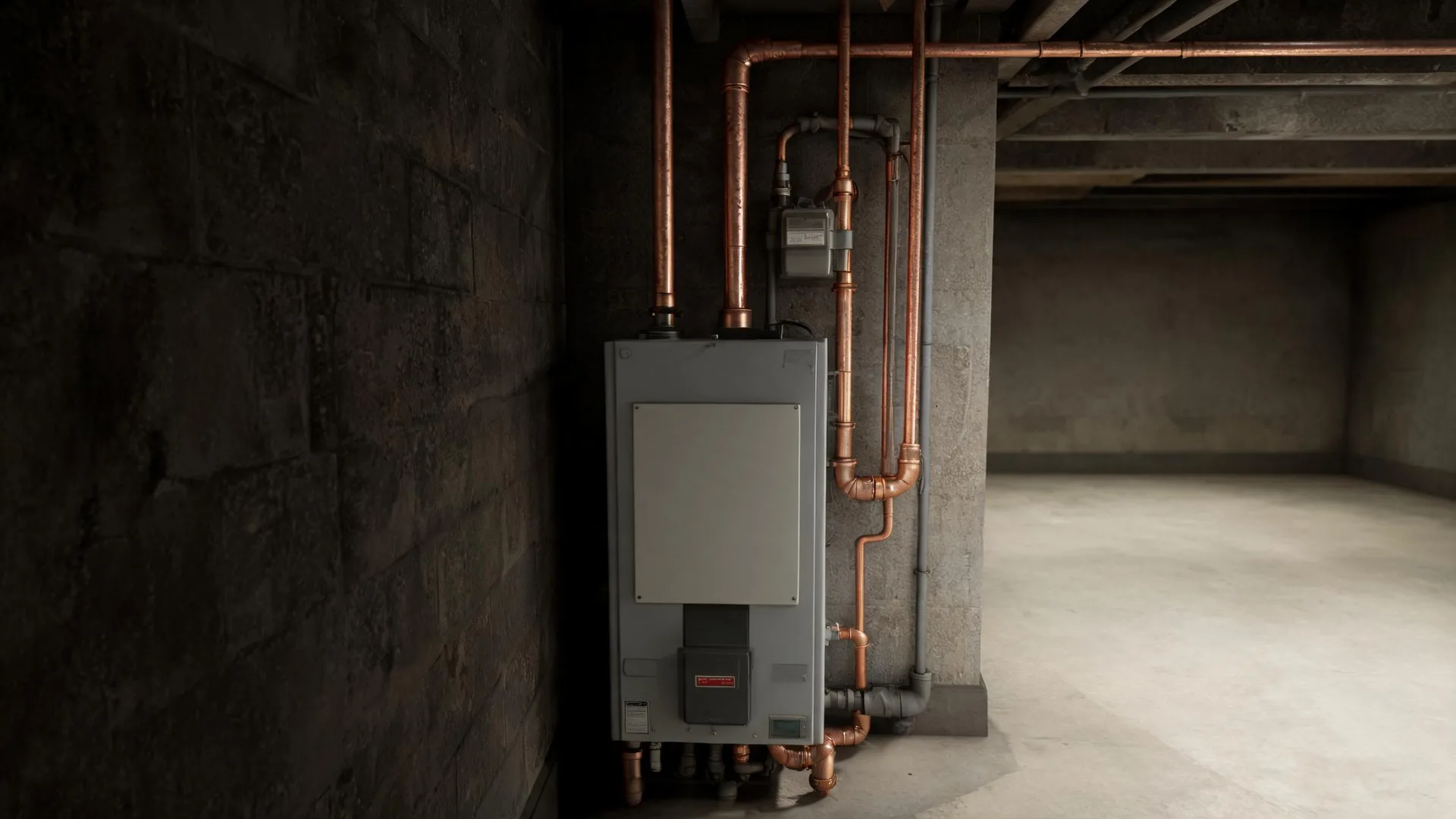
The boiler itself sits in a mechanical room, basement, or utility closet and is the first place a contractor looks when something goes wrong. Inside it, the heat exchanger, burner, and pressure relief valve each have a specific job, and a failure in any one of them shows up differently. A cracked heat exchanger, a misfiring burner, and a valve that won't hold pressure all point a contractor toward different repairs.
Radiators or baseboards sit throughout the house and are what a homeowner usually notices first, whether that's a unit that stays cold, makes noise, or leaks at a fitting. Running between those and the boiler are the supply and return pipes, along with the circulator pump that moves water through the loop. A pump that has seized or a pipe section with a blockage can make the whole system behave as if the boiler itself is the problem.
The drawing shows the general layout of a boiler system, and a licensed contractor determines which parts apply and what condition they are in for this particular house.
Find a contractor in Richmond CountyRichmond County, by the numbers
69 severe weather events were recorded in Richmond County, North Carolina between 2015 and 2024.
NOAA National Centers for Environmental Information, Storm Events Database, bulk CSV export, events 2015-01-01 through 2024-12-31.Half the homes in Richmond County, North Carolina were built in 1976 or earlier (2020-2024 ACS 5-year).
U.S. Census Bureau, 2020-2024 American Community Survey 5-Year EstimatesRichmond County, North Carolina holds 19,893 housing units (2020-2024 ACS 5-year).
U.S. Census Bureau, 2020-2024 American Community Survey 5-Year EstimatesOwners occupy 65.9% of the occupied homes in Richmond County, North Carolina (2020-2024 ACS 5-year).
U.S. Census Bureau, 2020-2024 American Community Survey 5-Year EstimatesBoiler Repair Rules and Codes for Richmond County, North Carolina2 sourced standards and statutes
Licensing Rules for HVAC Repair in Richmond County, North Carolina
North Carolina issues Class I heating licenses covering all systems in all structures, and Class II licenses covering heating systems in single-family detached residential dwellings.
North Carolina requires a license before any person or firm may engage in, or offer to engage in, the business of heating contracting.
Severe Weather Events in Richmond County
Extreme weather puts real strain on boiler systems, and Richmond County has its own pattern of conditions that push heating equipment hard. How often that happens here shapes how much wear local boilers accumulate and how often repair needs arise.
69 severe weather events, 2015–2024. Source: NOAA National Centers for Environmental Information, Storm Events Database.