Tell us about the job
Takes about a minute. No obligation.
A contractor called out to repair a boiler in Columbus County has to account for what the equipment has already been through. 110 severe weather events were recorded in Columbus County, North Carolina between 2015 and 2024. Severe weather puts sustained demand on heating systems, and the parts that carry that load longest are heat exchangers, pressure relief valves, and seals. When one of those fails, the weather history here is a plausible factor, not a footnote, and a good diagnosis works through those components before settling on anything else.
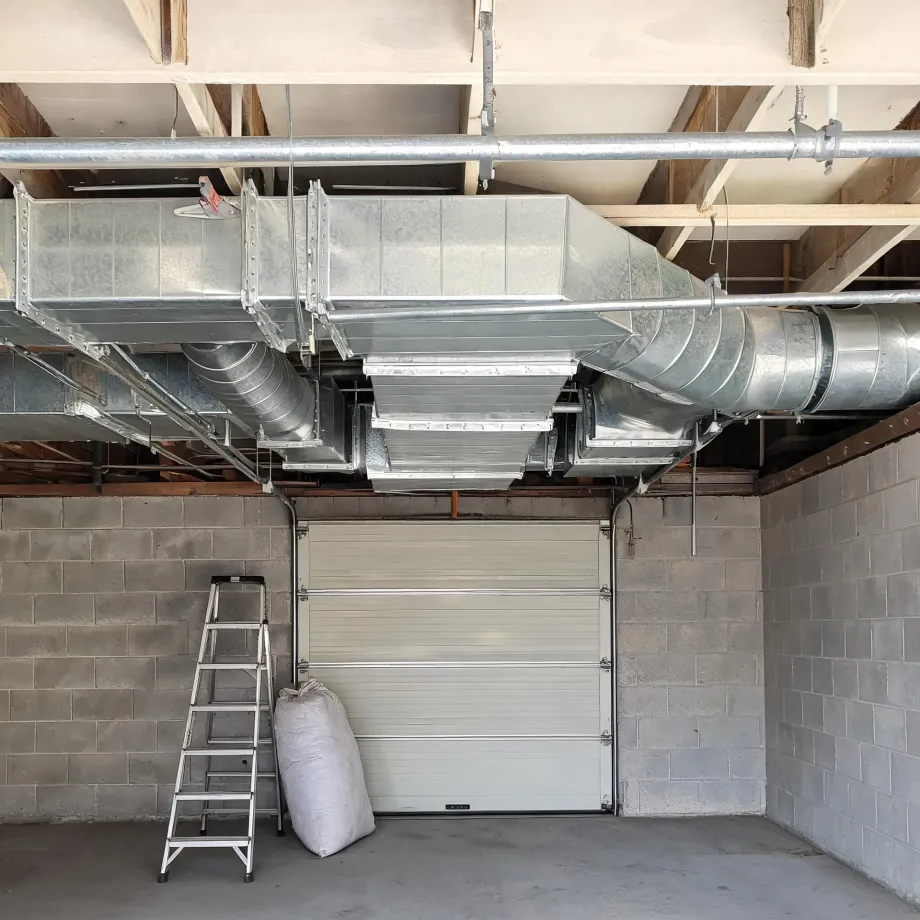
Piping in a house this old has lived through decades of pressure cycling, mineral buildup, and repeated thermal expansion. Half the homes in Columbus County, North Carolina were built in 1982 or earlier (2020-2024 ACS 5-year). A contractor opening a boiler here will check the heat exchanger and the controls, but what extends the job or changes its cost is usually what that piping looks like once sections are exposed: corroded joints, fittings that no longer hold a reliable seal, or zones that have been patched by hands other than the ones looking at it now. The boiler is often the newest thing in the system.
The Parts of a Boiler a Contractor Checks First
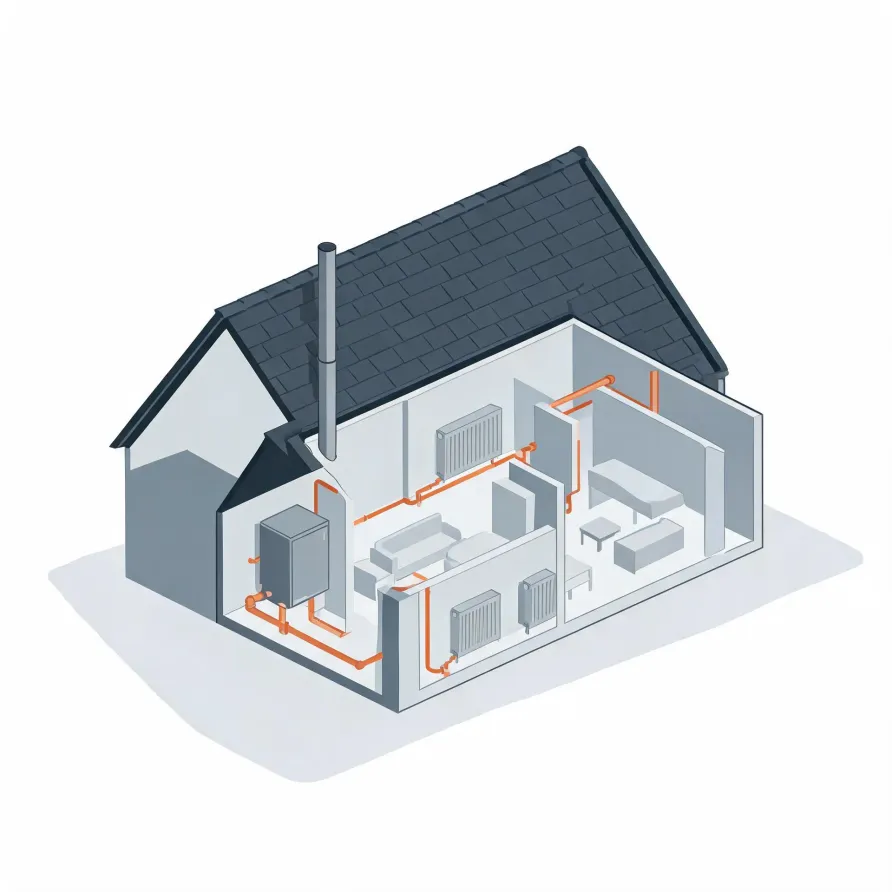
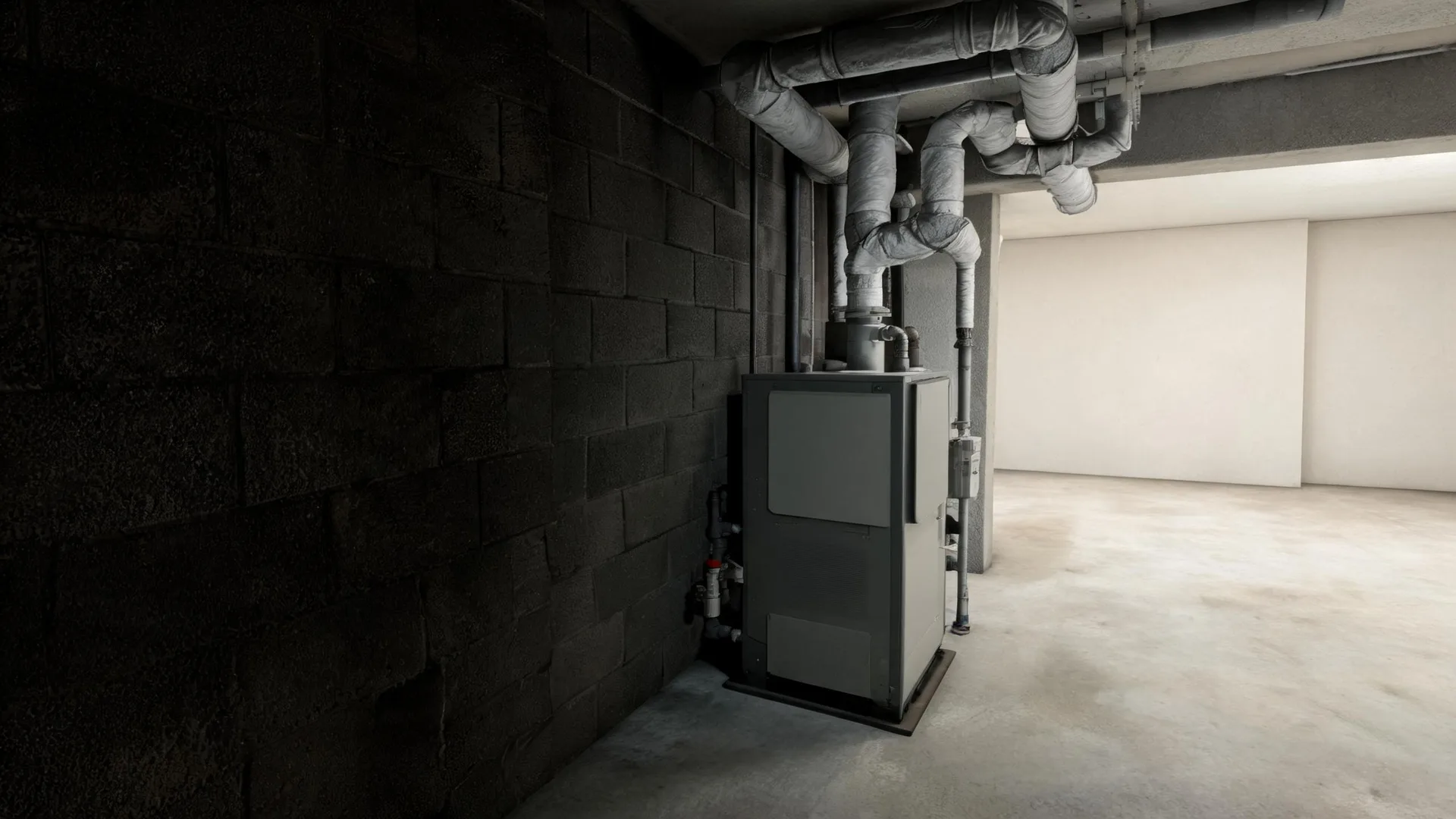
The boiler itself sits in a mechanical room, basement, or utility closet and is the piece a contractor goes to first. It heats water and pushes it out through the system. When something fails here, the house loses heat entirely, or the unit short-cycles, or it runs but never reaches temperature.
The circulator pump moves heated water from the boiler through the pipes and back again. The expansion tank, usually mounted nearby, absorbs pressure changes as the water heats and cools. The pressure relief valve and the thermostat are the other pieces a contractor checks early when the complaint is uneven heat or no heat at all.
The drawing shows a general layout of these components, and a licensed contractor determines what applies to this particular house and system.
Find a contractor in Columbus CountyColumbus County by the Numbers
110 severe weather events were recorded in Columbus County, North Carolina between 2015 and 2024.
NOAA National Centers for Environmental Information, Storm Events Database, bulk CSV export, events 2015-01-01 through 2024-12-31.Half the homes in Columbus County, North Carolina were built in 1982 or earlier (2020-2024 ACS 5-year).
U.S. Census Bureau, 2020-2024 American Community Survey 5-Year EstimatesColumbus County, North Carolina holds 23,563 housing units (2020-2024 ACS 5-year).
U.S. Census Bureau, 2020-2024 American Community Survey 5-Year EstimatesOwners occupy 71.1% of the occupied homes in Columbus County, North Carolina (2020-2024 ACS 5-year).
U.S. Census Bureau, 2020-2024 American Community Survey 5-Year EstimatesCodes & Licensing Behind Boiler Repair in Columbus County, North Carolina2 sourced rules and standards
What Columbus County, North Carolina Requires for HVAC Repair Work
North Carolina issues Class I heating licenses covering all systems in all structures, and Class II licenses covering heating systems in single-family detached residential dwellings.
North Carolina requires a license before any person or firm may engage in, or offer to engage in, the business of heating contracting.
Severe Weather Events in Columbus County
Extreme weather puts real stress on boiler systems, cycling them hard through temperature swings and keeping them running through conditions they were not built to ignore. How much of that stress Columbus County sees year to year shapes how often local equipment needs attention.
110 severe weather events, 2015–2024. Source: NOAA National Centers for Environmental Information, Storm Events Database.